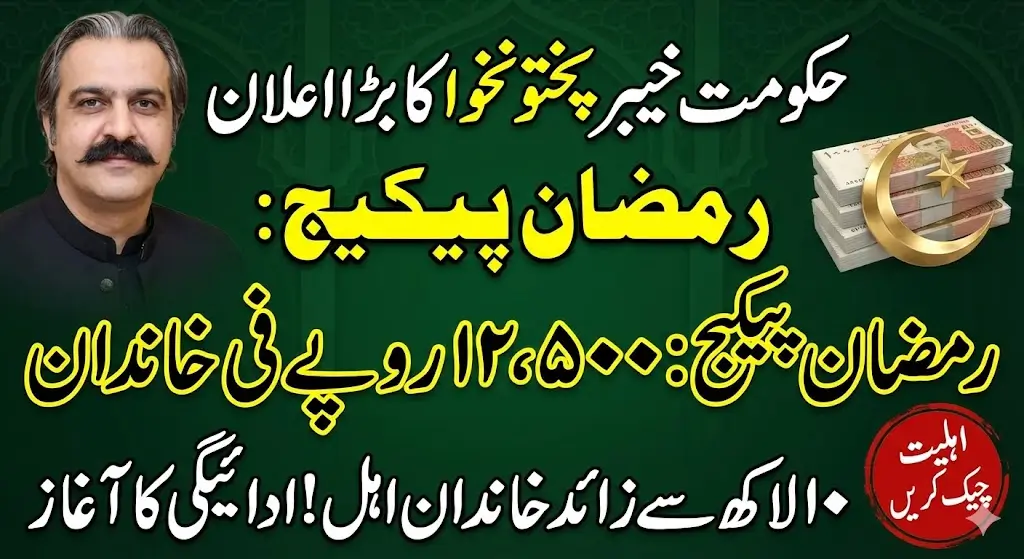
Khyber Pakhtunkhwa Ramadan Package 2026
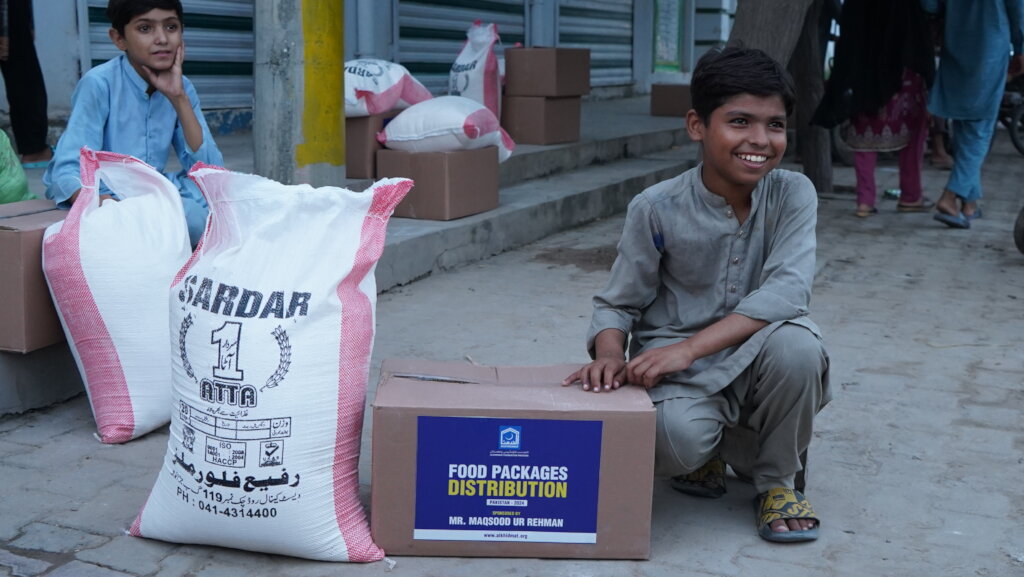
The Government of Khyber Pakhtunkhwa has announced a major RKhyber Pakhtunkhwa Ramadan Package 2026 to support low-income and deserving families affected by rising inflation. The Ramadan Package aims to provide direct financial assistance to more than one million families across the province.
Here’s a complete and easy-to-understand breakdown of the package, including the amount, eligibility criteria, and how the funds will be distributed.
Wazir Azam Ramazan Relief Package: Who Can Get It and How to Apply
How Much Money Will Be Given?
Under the Ramadan Package 2026:
- Each eligible family will receive Rs 12,500
- More than 1 million families will benefit
- The provincial government has allocated approximately Rs 13 billion for this initiative
This year’s assistance has been increased from Rs 10,000 (last year) to Rs 12,500, showing the government’s effort to provide additional relief amid economic challenges.
Last year, around 850,000 families received support. This year, the number has been expanded significantly.
Who Is Eligible for the Ramadan Package?
The government has clearly defined the categories of people who can qualify for this financial assistance.
Eligible Individuals:
- Orphans
- Widows
- Persons with disabilities
Not Eligible:
- Temporarily displaced or temporarily homeless individuals
The authorities have emphasized that only genuinely deserving families will be included in the final list.
Step-by-Step Guide to Maryam Nawaz Ration Card Activation Online 2026
How Will the Money Be Distributed?
The distribution process has already started, and officials have stated that payments will be transferred during the first ten days of Ramadan.
Distribution Process:
- Members of the National and Provincial Assemblies will each submit names of up to 5,000 deserving individuals.
- The collected data will be forwarded to district administration officers and the Social Welfare Department.
- After verification, the amount will be transferred directly to the beneficiary’s bank account.
District Deputy Commissioners have been instructed to collect accurate data to ensure transparency and avoid delays.
District-Wise Distribution Highlights
Some districts will receive a larger share of the package based on population and need:
- Peshawar – 108,500 beneficiaries
- Swat – 67,500 beneficiaries
- Mardan – 60,486 beneficiaries
- Charsadda – Over 40,000 beneficiaries
These figures show that urban and densely populated districts are expected to receive a higher allocation.
Public Concerns About Transparency
While the initiative has been welcomed by many, some citizens have raised concerns.
A resident of Peshawar expressed worry that giving elected representatives the authority to nominate beneficiaries could lead to political favoritism. There are fears that political workers or supporters of certain parties may be prioritized over truly deserving families.
Additionally, some citizens are concerned that delays in data collection could slow down the distribution process.
However, government officials have assured that strict monitoring measures are in place to maintain transparency and fairness.
Government’s Commitment
Officials have stated that despite limited provincial resources, supporting deserving citizens during Ramadan remains a top priority. The government has directed all relevant departments to ensure that funds are distributed without unnecessary delay.
The objective of this Ramadan Package is simple:
To provide financial relief to low-income families so they can observe Ramadan with dignity and ease.
Final Words
The Khyber Pakhtunkhwa Ramadan Package 2026 is one of the largest relief initiatives in the province’s recent history. With Rs 12,500 per family and over one million beneficiaries, the program aims to reduce the financial burden during the holy month.
If implemented transparently and efficiently, this initiative could provide meaningful support to thousands of struggling households across the province.
For further updates, citizens are advised to stay in contact with their local district administration offices or relevant Social Welfare authorities.